Indoor Air Quality Melbourne
Indoor air quality assessments across Melbourne. We investigate moisture, mould, airflow, airborne particles and concerns such as musty smells or stale rooms.
Indoor air can be affected by dampness, outdoor air, cooking, heating, cleaning products and building materials. How air moves through the property also matters.
Absolute Restoration Service investigates the concern and explains the next steps. These may include moisture repairs, cleaning, mould removal, ventilation or further testing.
Call 1300 114 842 or request an indoor environmental assessment. If anyone has severe symptoms, suspected carbon-monoxide exposure, a gas leak, fire or another immediate danger, leave the area and call 000 or the relevant emergency service.
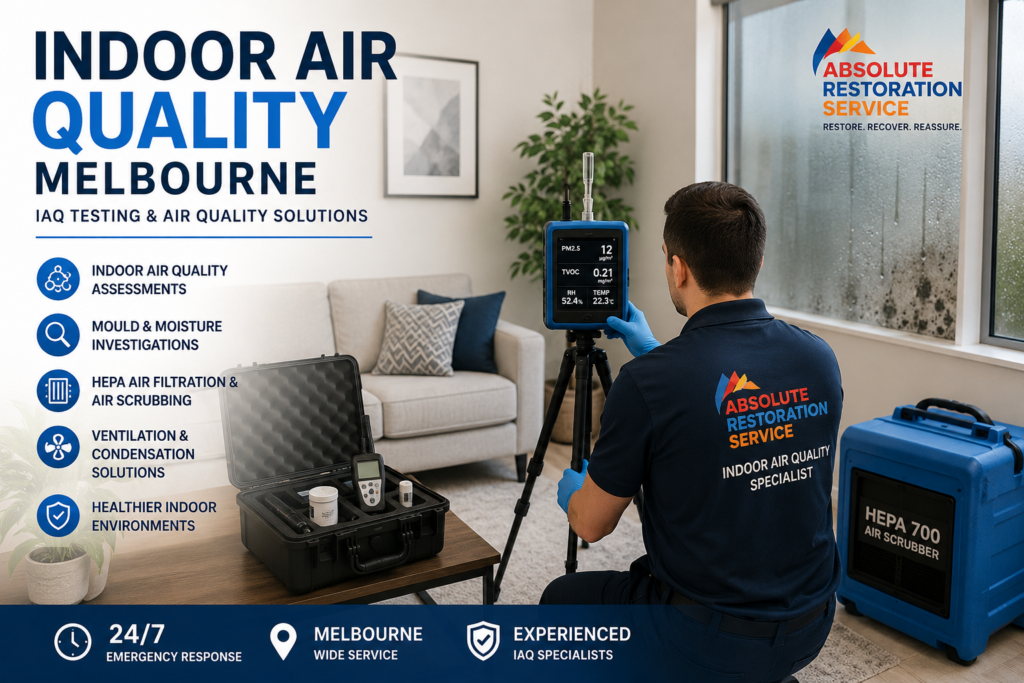
An indoor environmental assessment can consider moisture, ventilation, particles, odours and building conditions.
Common Indoor Air Quality Concerns
- Persistent musty, smoky, chemical or unexplained odours
- Visible mould or recurring dampness
- Condensation on windows, walls or ceilings
- High or unstable indoor humidity
- Rooms that feel stale or poorly ventilated
- Dust or particles generated by building work or contamination
- Smoke and soot after a fire
- Water damage that was not fully assessed or dried
- Outdoor air entering near traffic, smoke or industrial sources
- Combustion appliances or attached garages requiring specialist review
These signs help guide an investigation, but they do not identify the cause on their own. We discuss the property history and what you need to find out before choosing measurements or tests.
What an Indoor Air Quality Assessment Can Include
Property History and Visual Inspection
We ask how the property is used, which rooms are affected and when the concern started. We review past leaks, odours and ventilation. We inspect areas that can be accessed and explain any limits.
Moisture and Humidity Assessment
We use moisture meters to check building materials. We may also measure air temperature and humidity. Thermal images can guide closer checks of damp areas and possible water paths.
Ventilation Review
We check how outdoor air enters, how exhaust fans work and what may restrict airflow. We also review the condition of accessible ventilation equipment.
Carbon dioxide readings may help assess ventilation in occupied rooms. They do not measure overall air quality on their own.
Targeted Measurements or Sampling
We choose measurements to suit the concern. These may include airborne particles, carbon dioxide or humidity. Some concerns need specialist sampling.
A short measurement shows conditions at that location and time. It may not capture changes during the day or identify every pollutant.
Recommendations
We explain the likely sources and practical options. These may include fixing leaks, removing contamination, cleaning, mould treatment, filtration or ventilation. We recommend further investigation or a suitable specialist where needed.
What IAQ Testing Cannot Establish
- It cannot diagnose illness or determine whether a symptom was caused by a building.
- No single monitor tests for every pollutant.
- A result applies to the instrument, method, location and sampling period used.
- Thermal imaging does not directly detect mould or measure moisture.
- Air filtration does not repair leaks or remove contamination embedded in materials.
- Ventilation cannot replace source control for hazardous emissions or active water entry.
People with health concerns should seek advice from a healthcare professional. Gas appliances, electrical systems, asbestos, lead, combustion hazards and building defects may require separate licensed or specialist assessment.
Moisture, Mould and Indoor Air
Leaks, condensation, floods and damp ground can leave building materials wet. This may lead to musty smells or mould growth.
We investigate the moisture source and affected materials. The plan may include fixing the source, drying, cleaning or mould removal. Sprays and air fresheners do not repair the underlying problem.
Mould Inspection Melbourne · Mould Removal Melbourne · Moisture Investigation Melbourne
Ventilation and Filtration Options
Local Exhaust Ventilation
Exhaust fans remove air from bathrooms, laundries and kitchens. Their performance depends on the fan, ducting, outlet location and controls. Replacement air also needs a suitable path into the room.
Subfloor Ventilation
Fans or improved natural airflow may help some damp subfloors. We also assess drainage, plumbing leaks and moisture from the ground. View Subfloor Ventilation Melbourne.
Energy Recovery Ventilation
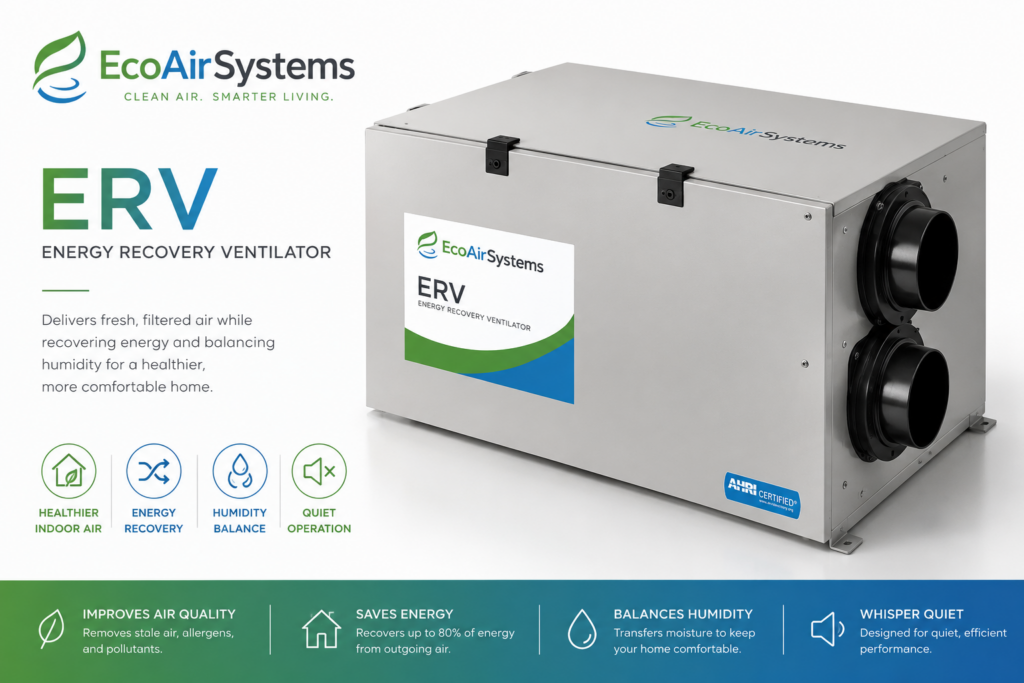
An energy recovery ventilator, or ERV, brings in filtered outdoor air and removes indoor air. It transfers some heat and moisture between the air streams. The unit size, ducting, setup and maintenance need to suit the property. View Energy Recovery Ventilation Melbourne.
Portable HEPA Air Filtration
A suitably sized and maintained HEPA air cleaner can filter airborne particles. HEPA filtration does not remove gases or repair leaks. Cleaning and removal of contamination may still be needed.
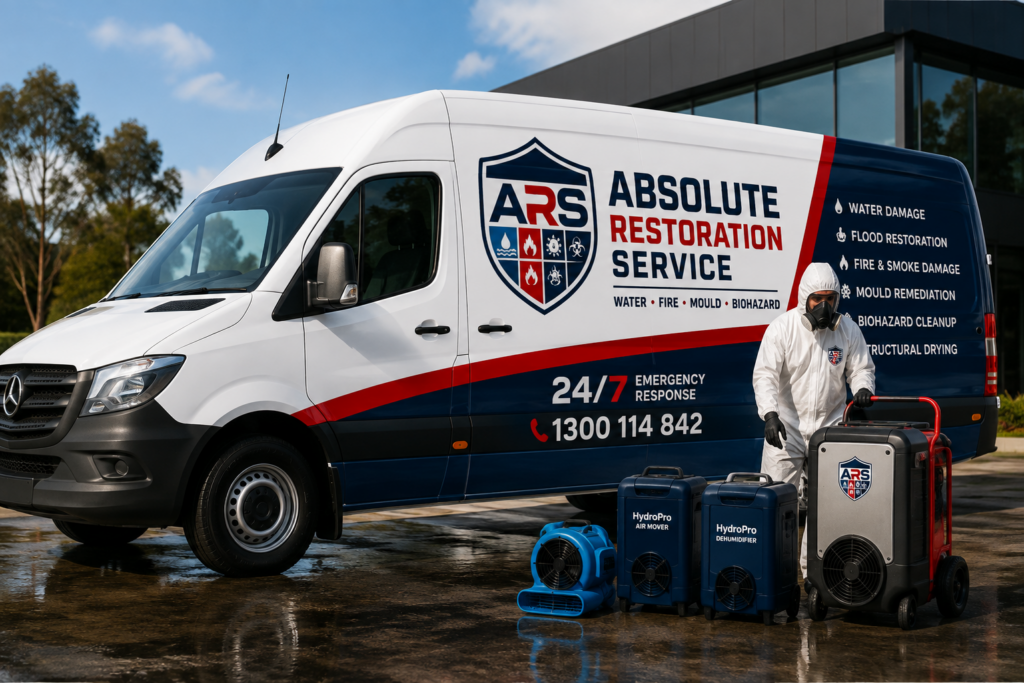
ARS provides indoor environmental, mould, moisture and ventilation services across metropolitan Melbourne.
Our Indoor Environmental Assessment Process
1. Define the Concern
We ask which rooms are affected, when the concern occurs and what you have noticed. Recent leaks, building work or changes in use help guide the assessment.
2. Inspect the Property
We inspect accessible areas for dampness, odours and visible contamination. We also check relevant building features and ventilation.
3. Take Relevant Measurements
We choose tools and measurements to suit the concern. We record relevant conditions at the time of the visit.
4. Review the Findings
We compare the readings with the inspection findings, property history and how the building is used. We explain what the instruments can show and any limits to the results.
5. Recommend Next Steps
We explain practical options for fixing the source, cleaning, mould removal or ventilation. If further work is needed, its scope and costs are provided separately.
6. Review After Work
We may recommend follow-up checks after the agreed work. Larger or sensitive remediation projects may also need an independent review.
Fire, Smoke and Water-Damage Concerns
Smoke residue, soot, firefighting water and flood damage can affect indoor conditions. After the property is released for access, the work may involve removing contamination, detailed cleaning and drying. Air filtration can support this work.
Fire and Smoke Damage Restoration · Water Damage Restoration
Why Choose Absolute Restoration Service?
- Property-focused indoor environmental assessment
- IICRC-trained restoration technicians
- Moisture, mould, filtration and ventilation capabilities
- Targeted measurement based on the project question
- Clear limitations and practical recommendations
- Residential, commercial and strata experience
- Coordination with healthcare, building and licensed specialists where required
- Melbourne service coverage subject to availability
Frequently Asked Questions
What is an indoor air quality assessment?
It is an investigation of an indoor air concern at a property. We review the building, moisture and ventilation and select relevant measurements. The work depends on what you need to find out.
Does one IAQ monitor test everything?
No. Different instruments measure different things. We discuss the concern first, then select suitable measurements or recommend specialist testing.
Can an IAQ assessment diagnose health symptoms?
No. Building assessment can identify property conditions and measurements but does not diagnose illness or prove medical causation. Consult a healthcare professional about symptoms.
Can ventilation solve mould?
Ventilation may help control moisture in some situations. Existing mould still needs assessment and suitable treatment. Leaks and building defects also need to be addressed.
Can HEPA filtration remove odours and gases?
HEPA filters capture airborne particles. Gases and odour sources may need other treatment. We assess the source before recommending a solution.
Do you install ventilation systems?
Yes. We assess and provide subfloor and energy recovery ventilation options. We confirm what suits the property, including the design, any approvals and work that needs a licensed trade.
Book an Indoor Air Quality Assessment
Call 1300 114 842 or contact Absolute Restoration Service to discuss an indoor environmental concern in Melbourne.