Ceiling Mould Removal Melbourne
Professional ceiling mould assessment, moisture investigation and controlled remediation by IICRC-trained restoration technicians.
Ceiling mould may point to a moisture problem. Roof leaks, condensation, plumbing faults and wet insulation can keep materials damp. Poor exhaust ducting or incomplete drying after a leak may also contribute.
Absolute Restoration Service provides ceiling mould removal across Melbourne for homes, apartments, rentals, strata and commercial properties.
We inspect accessible areas, investigate dampness and explain what needs cleaning, drying, removal or further checks. The work is planned to suit the findings.
Call 1300 114 842 or request mould advice.
The initial phone consultation is free. Onsite inspections, testing and reports may involve quoted fees.
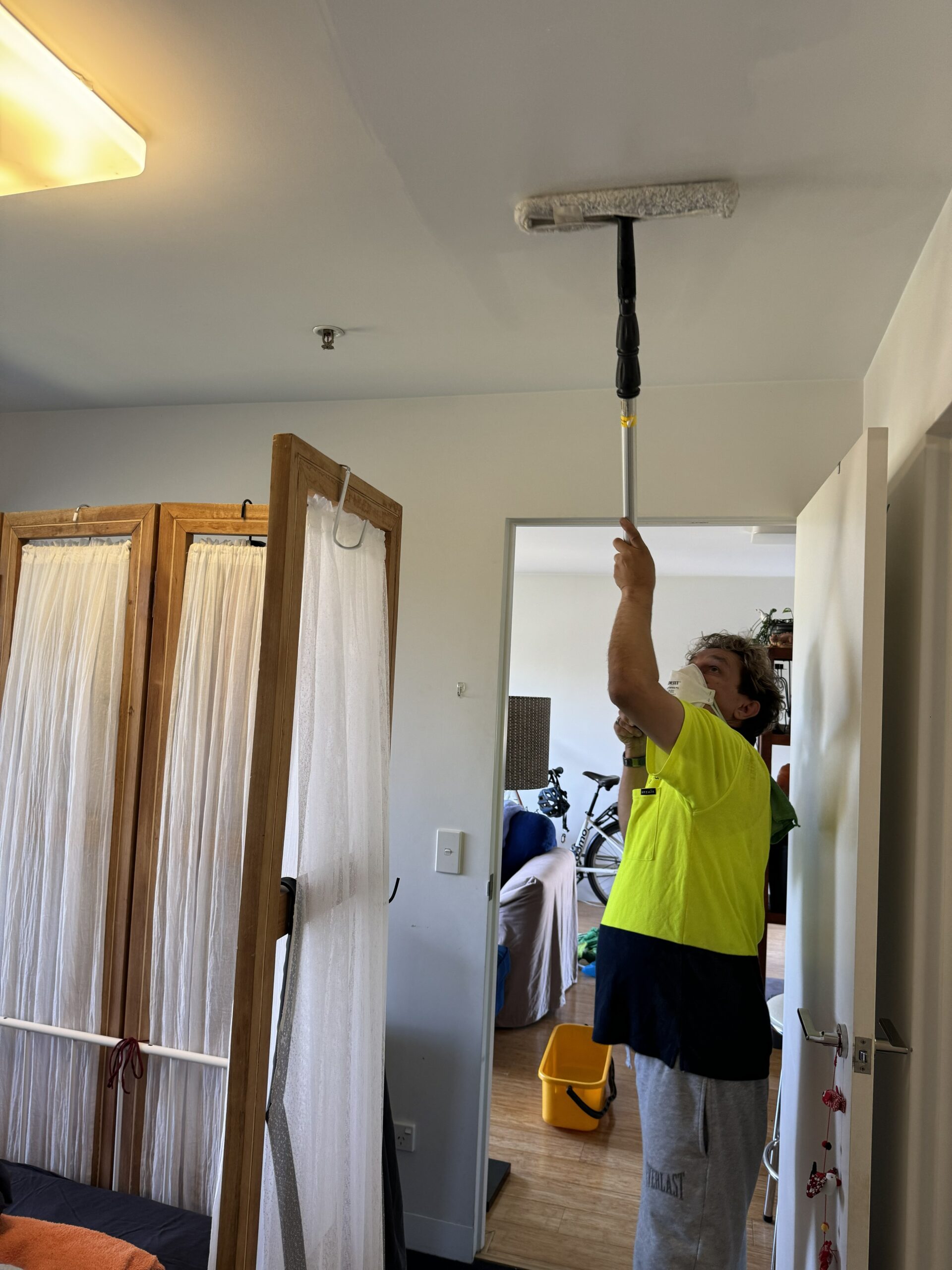
Professional ceiling mould remediation addressing visible contamination and moisture-related damage.
IICRC-Trained Technicians | Moisture Detection | HEPA-Filtered Remediation | Melbourne-Wide Service
Why Mould Develops on Ceilings
Moist air can condense on cool ceiling surfaces. Damp paint, plasterboard, dust and timber can support mould growth.
A leak above the ceiling may also wet the back of the plasterboard. This can happen before stains become visible inside the room.
Common causes include:
- Roof leaks, damaged flashing and stormwater entry
- Leaking plumbing or air-conditioning condensate lines
- Bathroom and laundry steam
- Exhaust fans that discharge into the roof cavity
- Inadequate ventilation or replacement airflow
- Cold surfaces caused by missing or displaced insulation
- High indoor humidity and recurring condensation
- Wet insulation retaining moisture against plasterboard
- Previous water damage that was not completely dried
- Moisture movement from subfloors or other damp building areas
Cleaning or repainting does not fix a leak or ventilation fault. Wet insulation may also need attention. Investigate the moisture source before repainting or repairing finishes.
Signs You May Need Professional Ceiling Mould Removal
- Dark, green, grey or black spotting on ceilings or cornices
- Mould returning after cleaning or repainting
- Water stains or discolouration after rain
- Peeling, bubbling or flaking paint
- Soft, swollen or sagging plasterboard
- Musty odours near the ceiling or roof access
- Condensation collecting above showers or cooking areas
- Mould around exhaust fans, vents and skylights
- Visible dampness or mould in the roof cavity
Sagging, structurally damaged or actively leaking ceilings should be isolated and assessed promptly. Electrical hazards and structural repairs must be handled by the appropriate licensed trades.
Hidden Ceiling and Roof-Space Contamination
The affected area may extend beyond visible mould. Moisture or growth may be present behind plasterboard, in insulation, on roof framing or around ducts and wall joints. We assess these areas where access is safe and practical.
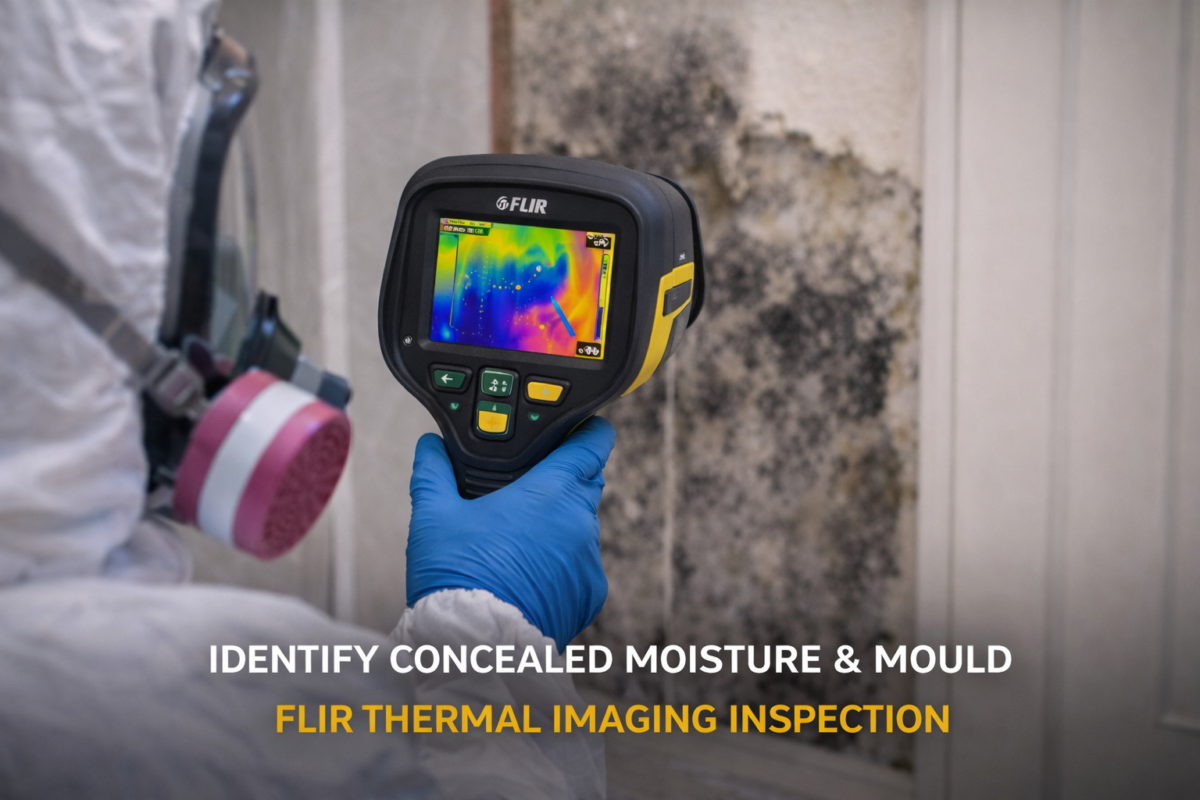
Thermal imaging and moisture measurements can help identify concealed ceiling and roof-space moisture pathways.
Thermal images show surface-temperature patterns. Dampness, air leaks or missing insulation can affect those patterns.
The camera does not see through ceilings or detect mould directly. We compare images with moisture readings and inspection findings.
Our Ceiling Mould Removal Process
1. Inspection and Moisture Investigation
We ask when the mould appeared and review room use, ventilation and past leaks. We inspect accessible areas and take relevant moisture and humidity readings. Thermal images may guide closer checks.
2. Remediation Scope
We explain which areas are affected and what needs cleaning, drying, removal or further investigation. This may include ceiling surfaces, insulation or nearby materials.
3. Containment and HEPA Air Management
Where needed, we use barriers and HEPA air filtration to help limit the spread of airborne particles during cleaning and material removal.
4. Detailed Cleaning or Controlled Removal
We clean surfaces that can be retained using methods suited to the material. Damaged materials or those that cannot be cleaned may need controlled removal under the agreed scope.
5. Structural Drying
Once the water source has been stopped, suitable wet materials may need drying. Air movers help surfaces release moisture, and dehumidifiers remove moisture from the air. Follow-up readings guide progress.
6. Final Review and Prevention Guidance
We review accessible completed work and explain any remaining moisture-control needs. These may include repairs to leaks, insulation or exhaust ducts, ventilation changes or follow-up moisture checks.
Ceiling Materials We Assess
- Painted plasterboard ceilings
- Cornices, bulkheads and ceiling junctions
- Wet or contaminated insulation
- Timber roof framing and battens
- Bathroom, laundry and kitchen ceilings
- Concrete apartment ceilings
- Acoustic tiles and suspended ceiling systems
- Ceiling cavities around ducts, pipes and electrical penetrations
The treatment depends on the material, its condition, the mould present and access. The moisture source also needs to be addressed.
Bathroom Ceiling Mould and Condensation
Steam from bathing can leave ceilings damp. We consider the exhaust fan, ducting, outdoor outlet and replacement air entering the bathroom. These affect how well moist air leaves the room.
For bathroom-specific advice, visit Bathroom Mould Removal Melbourne.
Ceiling Mould After Roof Leaks or Water Damage
A ceiling can stay wet after a leak stops. Insulation may hold moisture against the plasterboard.
We assess moisture and material condition to help decide what can be dried and retained. Damaged or unsuitable materials may need removal.
For active water incidents, visit Water Damage Restoration Melbourne and Structural Drying Melbourne.
Why Choose Absolute Restoration Service?
- More than 20 years of restoration and remediation experience
- IICRC-trained restoration technicians
- Professional moisture meters, thermal imaging and drying equipment
- Containment and HEPA-filtered air management where appropriate
- Residential, rental, strata and commercial project experience
- Clear findings and practical moisture-control recommendations
- Service across metropolitan Melbourne and selected regional locations
Related Mould and Moisture Services
- Mould Removal Melbourne
- Black Mould Removal Melbourne
- Bathroom Mould Removal Melbourne
- Mould Testing Melbourne
- Water Damage Restoration Melbourne
- Structural Drying Melbourne
- Indoor Air Quality Services
- Melbourne Restoration Service Areas
Ceiling Mould Removal FAQs
Why does ceiling mould return after repainting?
Paint does not fix leaks, condensation, wet insulation or poor ventilation. Mould and stains may return if damp conditions remain.
Does all mouldy plasterboard need removal?
No. Some surfaces can be cleaned and retained. Soft, damaged plasterboard or material that cannot be cleaned may need removal. We explain the findings and proposed work after assessment.
Can thermal imaging detect mould inside the ceiling?
No. It shows surface-temperature patterns. These can guide closer checks, but do not directly detect mould or measure moisture. We compare them with moisture readings and site findings.
Can you inspect the roof cavity?
We assess roof spaces where access is safe and practical. Low clearance, electrical hazards, structural concerns or roofing faults may need specialist attention before further checks.
Do you remove bathroom ceiling mould?
Yes. We check accessible ceiling areas, condensation and exhaust ventilation. We also investigate signs of hidden moisture before recommending cleaning, removal or further work.
Do you service apartments, strata and commercial buildings?
Yes. We assist homeowners, renters, property managers, owners corporations and commercial clients throughout Melbourne.
Book a Ceiling Mould Inspection
If ceiling mould, stains or musty smells keep returning, arrange an assessment. We investigate accessible areas and explain the next steps.