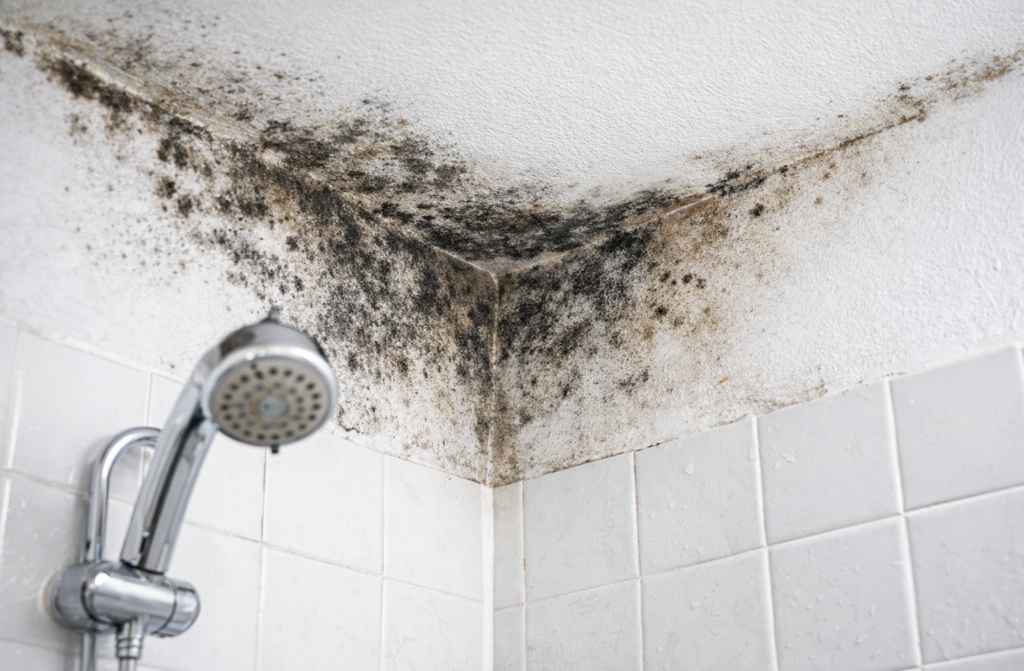
Mould Remediation: What Melbourne Property Owners Should Know
Mould remediation deals with mould growth and the damp conditions that allow it to return. Cleaning a visible patch may be only part of the work.
Water leaks, condensation and poor airflow can leave walls, ceilings and floors damp. Mould can also grow behind cupboards or inside wall cavities.
Absolute Restoration Service provides mould removal Melbourne services for homes and businesses. We check the affected areas, investigate moisture and explain the work needed.
This guide explains the warning signs, inspection process, treatment options and factors that affect cost.
- Free initial phone consultation
- Onsite inspection scope and fees confirmed before booking
- IICRC-certified technicians
- 24/7 emergency response
Call 1300 114 842 to discuss your property.

What Is Mould?
Mould is a type of fungus. It grows where there is enough moisture and a suitable surface.
It can grow on timber, plasterboard paper, dust, carpet and other materials. Tiny mould spores can move through the air and settle elsewhere.
Some growth is easy to see. Other patches may be hidden inside walls, beneath floors or behind furniture.
The aim of remediation is to remove affected material or clean it where suitable. The moisture problem also needs attention.
What Causes Mould in Melbourne Homes?
Mould needs moisture to grow. Common sources include:
- Leaking pipes, roofs or showers
- Floodwater or stormwater entering the building
- Condensation on cold walls and windows
- Poor airflow in bathrooms, kitchens and laundries
- Damp subfloor spaces
- Building materials left wet after a leak
- Enclosed rooms or cupboards that stay damp
More than one cause may be present. For example, a room may have both a leak and poor ventilation.
Finding the cause helps guide repairs and reduce the risk of mould returning.
Signs of a Mould Problem
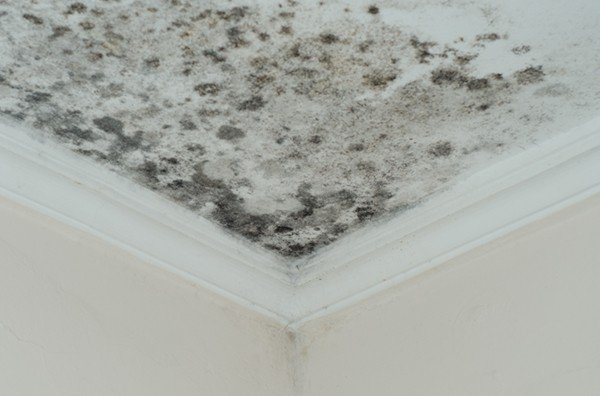
Look for these signs:
- A musty smell that does not go away
- Dark spots on walls, ceilings or window frames
- Visible growth on timber, grout or silicone
- Paint that peels or bubbles
- Damp or swollen plasterboard
- Condensation that keeps returning
- Mould that comes back after cleaning
These signs do not reveal the full extent of the problem. A stain may have several causes, and hidden areas may need further checks.
Our professional mould inspection service can help assess the visible growth and moisture conditions.
Mould and Indoor Air Quality
Mould growth is a reason to investigate damp conditions in your home. An inspection can help guide the building work needed. It does not diagnose a health condition.
If you have symptoms or concerns about exposure, seek advice from a health professional.
For public health information, visit Better Health Channel Victoria.
What Happens During a Mould Inspection?
We start by discussing the problem and any known leaks or past water damage. We then inspect the areas we can access.
Depending on the property, the assessment may include:
- Checking visible mould and damp patches
- Taking moisture readings from building materials
- Checking walls, floors, ceilings and subfloor areas
- Reviewing airflow and signs of condensation
- Using thermal imaging alongside other checks
- Discussing whether testing or further access is needed
A thermal camera shows temperature patterns. It does not directly measure moisture. Findings need to be checked using other methods.
We explain any access limits and recommend further investigation where needed. Learn more about our mould inspection services in Melbourne.
How Professional Mould Remediation Works
The scope depends on the affected materials, moisture source and extent of growth. Not every property needs the same treatment.
Australian references include AS-IICRC S520:2025 for mould remediation and AS-IICRC S500:2025 for water damage restoration. Read our Australian mould remediation standards guide to understand the standards and how they differ from legal requirements.
- Assess the area: Check visible growth, moisture and site conditions.
- Plan the work: Explain the scope, access needs and controls.
- Contain the work area: Use barriers where needed to limit the spread of dust and mould.
- Filter the air: Use HEPA air filtration where the work requires it.
- Remove damaged materials: Remove items that cannot be cleaned or restored.
- Clean surfaces: Remove mould and settled dust using suitable methods.
- Treat where appropriate: Use suitable products as part of the cleaning process.
- Address dampness: Coordinate leak repairs and drying. Where needed, use dehumidifiers and air movers with moisture readings to track progress.
- Review the results: Check the completed work against the agreed scope.
Drying equipment is selected for the materials and site conditions. Moisture readings guide equipment changes and are compared with agreed drying targets. Air movement is planned around containment and cleaning.
The plan should also explain whether an independent assessment or further testing is needed. Where independence is required, use an appropriately qualified assessor who is separate from the remediation contractor.
Read about our professional mould remediation services.
Surface Cleaning and Mould Remediation
The terms “mould removal” and “mould remediation” are often used together. What matters is the scope of work.
| Area of Work | Surface Cleaning | Mould Remediation |
|---|---|---|
| Visible growth | Cleans the surface being treated | Assesses which materials can be cleaned or need removal |
| Hidden areas | May not include concealed spaces | Considers further access where there are signs of hidden growth |
| Moisture source | May fall outside the cleaning scope | Identifies moisture issues and the repairs needed |
| Work controls | Depend on the task | May include containment and HEPA filtration |
| Final checks | May focus on surface appearance | Reviews the work against the agreed remediation scope |
Ask what is included before booking. A spray or fresh coat of paint alone will not fix a leak or dry a damp wall.
How Much Does Mould Removal Cost?
The cost depends on the size of the affected area and the work needed. Access, material removal, drying and repairs can all affect the price.
The following figures are a guide only. They are not a fixed quote for your property.
| Project Type | Indicative Cost |
|---|---|
| Small mould treatment | $350–$900 |
| Bathroom or bedroom remediation | $900–$2,500 |
| More extensive growth affecting building materials | $2,500–$6,000 |
| Large remediation work after water damage | $6,000–$15,000+ |
Your quote will confirm the scope, GST treatment and any exclusions. Testing, leak repairs, drying and rebuilding may involve separate costs.
The initial phone consultation is free, including for landlords and property managers. It does not include a free onsite inspection. Onsite inspections, testing and reports may involve quoted fees, which are discussed before booking.
How to Help Prevent Mould Returning
Moisture control is a key part of prevention. Useful steps include:
- Repair plumbing and roof leaks promptly.
- Check that bathroom and kitchen exhaust systems work.
- Investigate recurring condensation.
- Address damp subfloor conditions.
- Keep airflow paths clear.
- Arrange drying after leaks or flooding.
- Check areas where mould has returned.
Some homes may need better subfloor ventilation. The right approach depends on the cause of the dampness.
Water Damage and Mould Growth
Water can soak into walls, floors and cupboards after a leak or flood. A surface may look dry while the layers beneath it remain wet.
Materials that stay damp can support mould growth. Do not wait for visible mould before arranging help with water damage.
Our water damage restoration service includes moisture checks, water removal and drying where required.
When to Seek Professional Remediation
A musty odour, recurring mould or damp materials may point to a hidden moisture problem. Professional remediation can help address affected areas and limit further property damage.
Mould Remediation FAQs
What causes mould in a home?
Mould grows where moisture remains. Common causes include leaks, condensation, poor airflow and materials left damp after water damage.
How soon should I arrange an assessment?
Arrange help promptly if mould is spreading, keeps returning or follows water damage. Avoid disturbing affected materials while you seek advice.
Does all mouldy plasterboard need removal?
No. The decision depends on its condition, the extent of growth and whether it can be cleaned and dried. Some damaged materials need removal.
Can mould return after treatment?
Yes. It can return if damp conditions remain or a new leak occurs. Cleaning and moisture repairs both matter.
Is mould testing always needed?
No. An inspection helps determine whether testing would answer a useful question. Any proposed sampling and costs should be explained before work starts.
Is the mould inspection free?
The initial phone consultation is free for homeowners, landlords and property managers. Onsite inspections are not included in that free consultation. Inspections, testing and reports may involve quoted fees, which are discussed before booking.
How much will the work cost?
We need to assess the size, access and affected materials before confirming a price. Drying, repairs and testing may add to the scope.
Do you inspect Melbourne homes and businesses?
Yes. ARS provides mould inspections and remediation services across Greater Melbourne. Call us to discuss your property and access needs.
Discuss Your Mould Problem With ARS
Have you found mould, a musty smell or damp patches? We can discuss the issue and explain the next steps.
Call 1300 114 842 or book a professional mould inspection.