Subfloor Ventilation Melbourne
Musty smells, damp floors or mould beneath your home? Absolute Restoration Service provides subfloor ventilation in Melbourne to improve airflow and help control moisture.
We inspect the subfloor space, find likely moisture sources and recommend a system to suit your property. Our services include fan installation, ducting, vent improvements and mould remediation.
Call 1300 114 842 or contact us online to arrange an assessment.

Why Does Subfloor Ventilation Matter?
The space beneath a suspended timber floor needs airflow. When vents are blocked or air cannot move freely, moisture can build up.
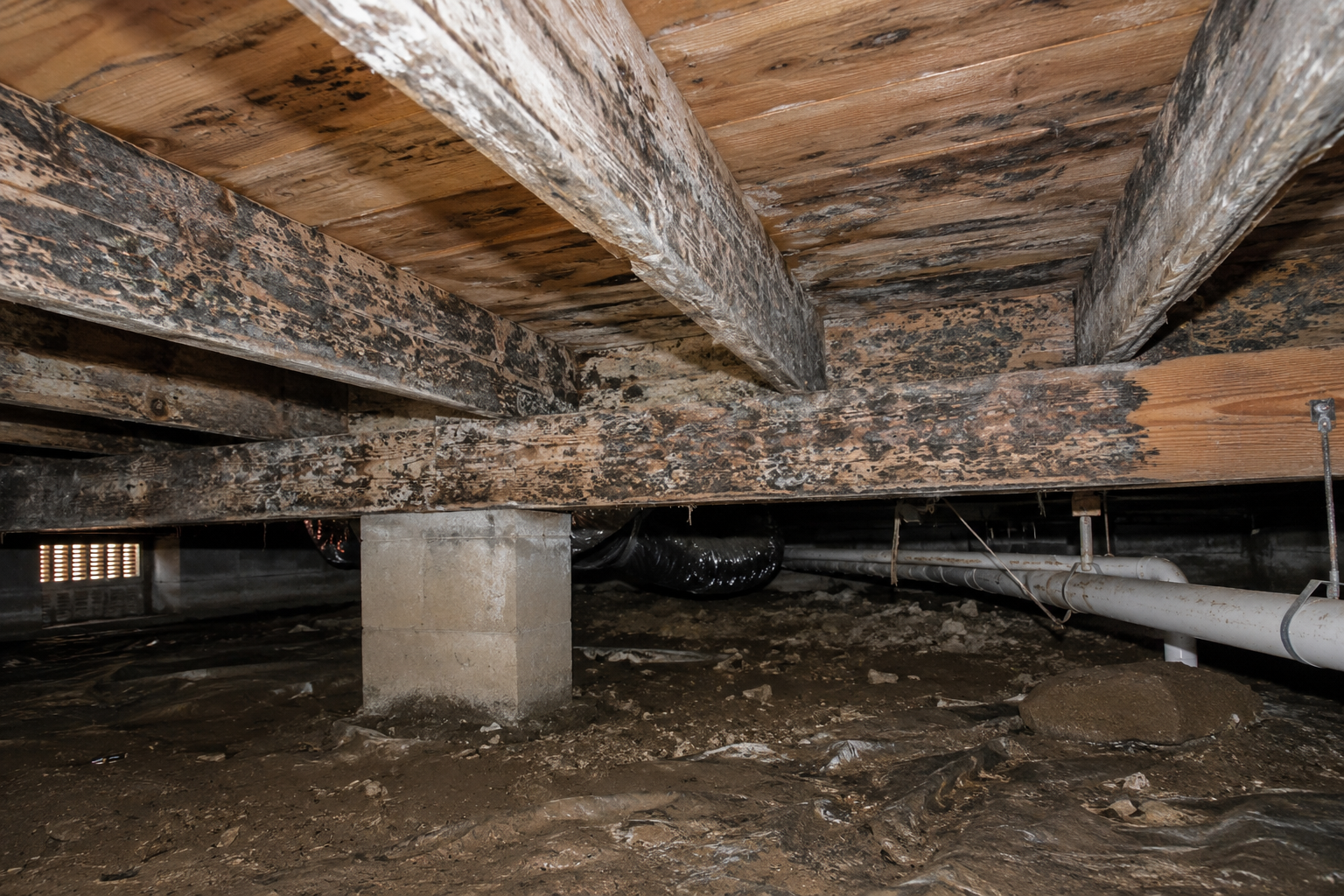
Damp subfloors can lead to musty smells, mould and timber decay. Moisture may also affect floorboards, insulation and other building materials.
A suitable ventilation system helps move damp air out and brings outside air into the subfloor space. Combined with repairs to leaks or drainage faults, it can help keep the area drier.
Benefits may include:
- Less moisture trapped beneath the floor
- Lower subfloor humidity when conditions suit ventilation
- Fewer musty smells
- Reduced risk of mould returning after treatment
- Better protection for timber floors, joists and bearers
Signs Your Home May Have a Damp Subfloor
Subfloor problems can remain hidden for years. You may notice changes inside your home before you see the cause beneath it.
Common warning signs include:
- A musty or earthy smell that keeps returning
- Mould on skirting boards or near floor level
- Damp carpets or timber floors
- Floorboards that cup, lift or warp
- Visible mould beneath the house
- Soft or decaying timber supports
- Blocked vents or very little airflow
- Water pooling beneath the building
These signs can have several causes. An inspection helps establish whether poor ventilation is part of the problem.
What Causes Moisture Beneath a House?
Poor airflow is one possible cause. Leaks, drainage faults and damp ground can also add moisture to the subfloor.
We look for issues such as:
- Leaking water pipes or drains
- Stormwater entering beneath the house
- Poor drainage around the building
- Moisture rising from exposed soil
- Blocked, damaged or too few vents
- Soil, garden beds or stored items covering vents
- Internal walls that restrict airflow
- Water left after a flood or plumbing leak
Ventilation does not repair a leak or remove standing water. These problems need to be addressed as part of the moisture control plan.
Our Subfloor Inspection Process
We assess the area before recommending fans or other equipment. The inspection depends on safe access and the conditions at your property.
1. Check the Moisture Conditions
We inspect accessible areas and take moisture readings where needed. We may also check humidity. Thermal images can guide closer checks, while moisture readings help confirm whether materials are wet.
2. Assess Existing Airflow
We check vent locations and look for blocked air paths. We assess whether air can move across the subfloor, including areas separated by internal walls.
3. Look for Mould and Timber Damage
We look for visible mould, decay and signs of prolonged dampness. Where needed, we recommend further checks or repairs by a suitable trade.
4. Recommend a Practical Solution
We explain our findings and outline the proposed work. This may include vent repairs, mechanical ventilation, drainage repairs, drying or mould removal.
Mechanical Subfloor Ventilation Systems
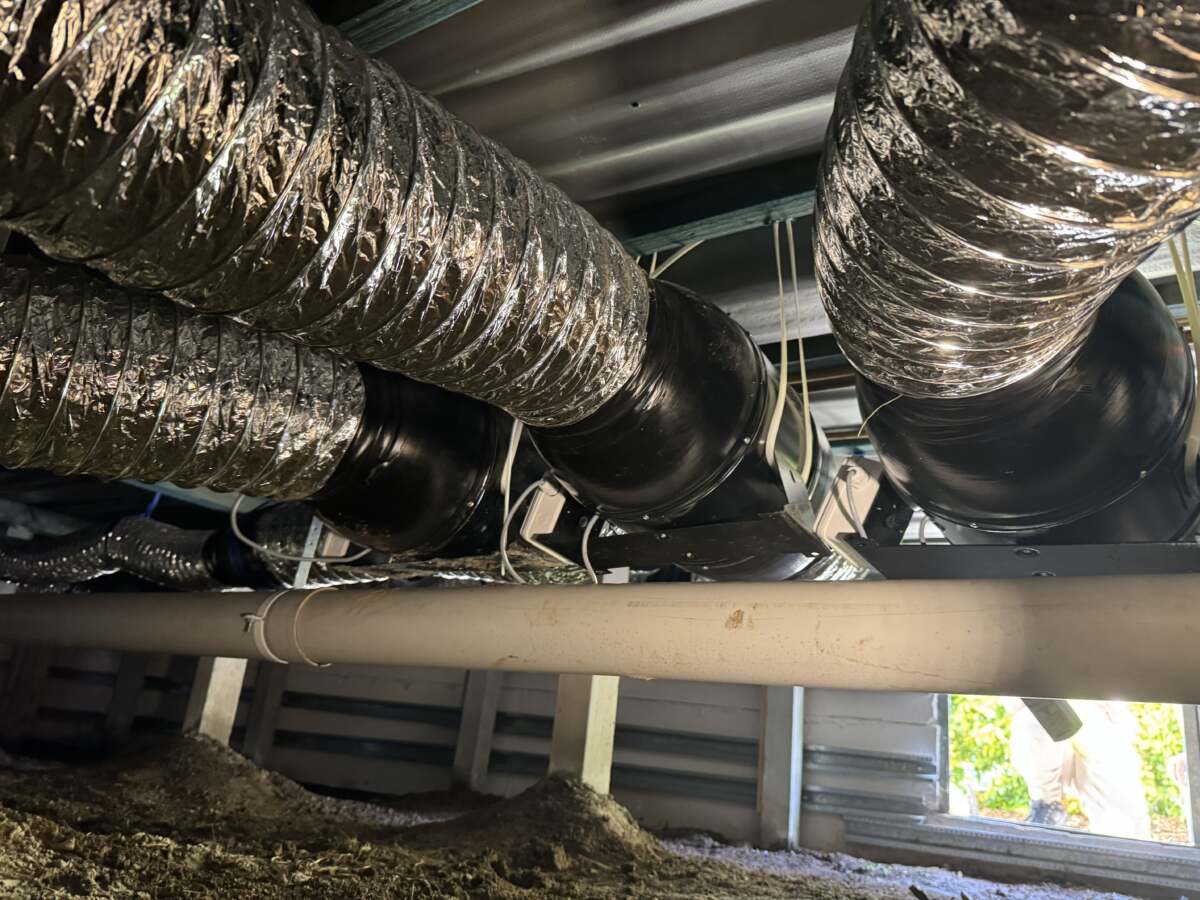
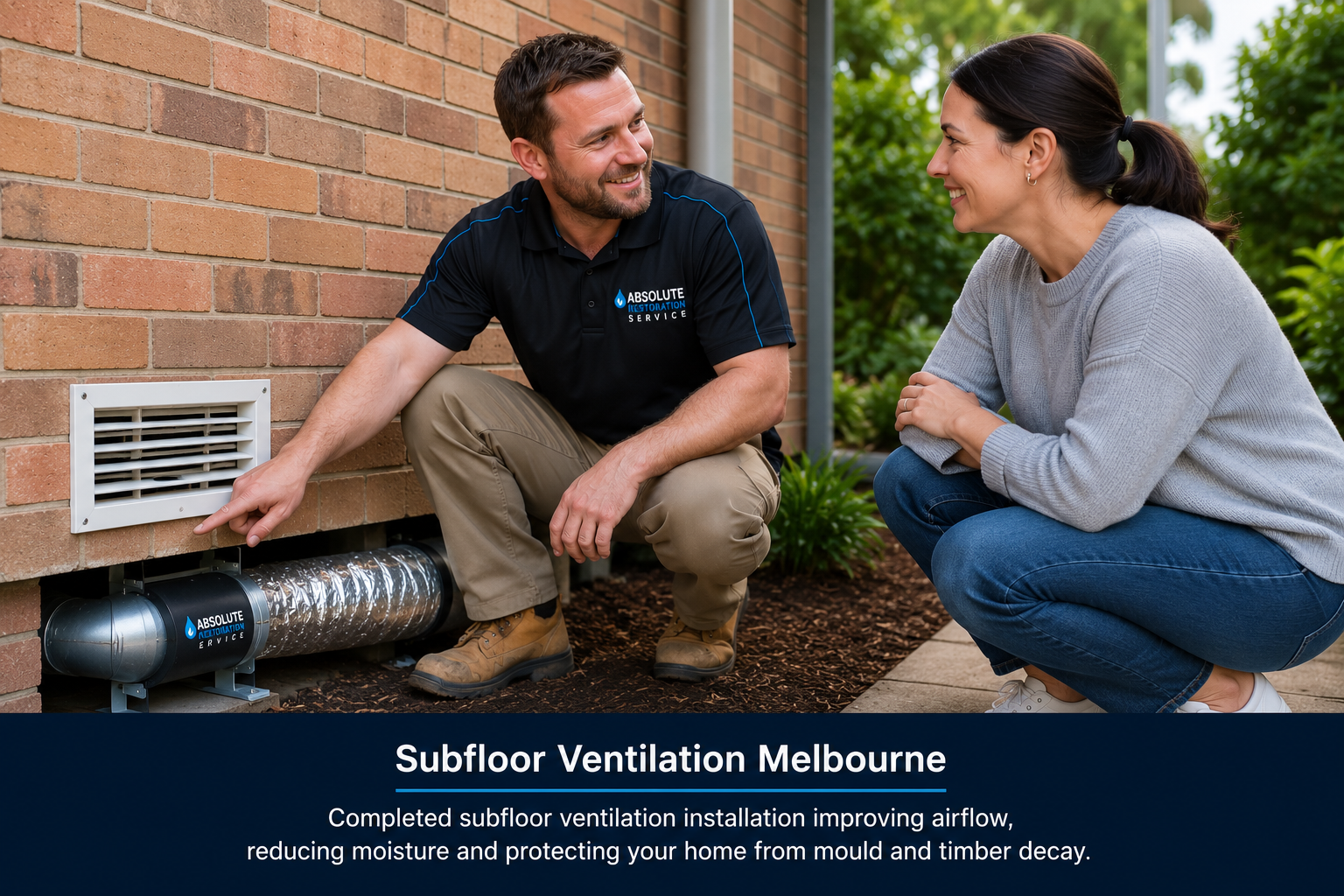
Mechanical systems use fans to move air beneath the floor. They may suit homes where natural airflow is limited or damp areas are hard to reach.
An exhaust fan draws air out of the subfloor. Suitable openings let replacement air enter. Ducting can help reach enclosed areas where air does not move freely.
Depending on the property, our solutions may include:
- Subfloor exhaust fans
- 150 mm inline fans
- Ducting to reach damp or enclosed areas
- Supply air fans where the design calls for them
- Timers or humidity controls
- A mix of natural vents and mechanical ventilation
We select fan locations, air paths and controls to suit the building. Homes with brick veneer walls may need a different layout from homes with solid masonry walls.
Fan operation should suit the moisture conditions. Running fans all day is not always the best approach, especially when outside air is very humid.
Natural Ventilation and Vent Repairs
Some homes need better natural airflow rather than a fan system. This is often called passive ventilation.
Possible improvements include:
- Adding vents in suitable locations
- Replacing damaged grilles or brick vents
- Clearing soil and garden growth away from vents
- Removing stored items that block air paths
- Improving airflow between sections of the subfloor
We assess whether these changes are enough or whether fans are also needed.
Subfloor Mould Removal and Moisture Control
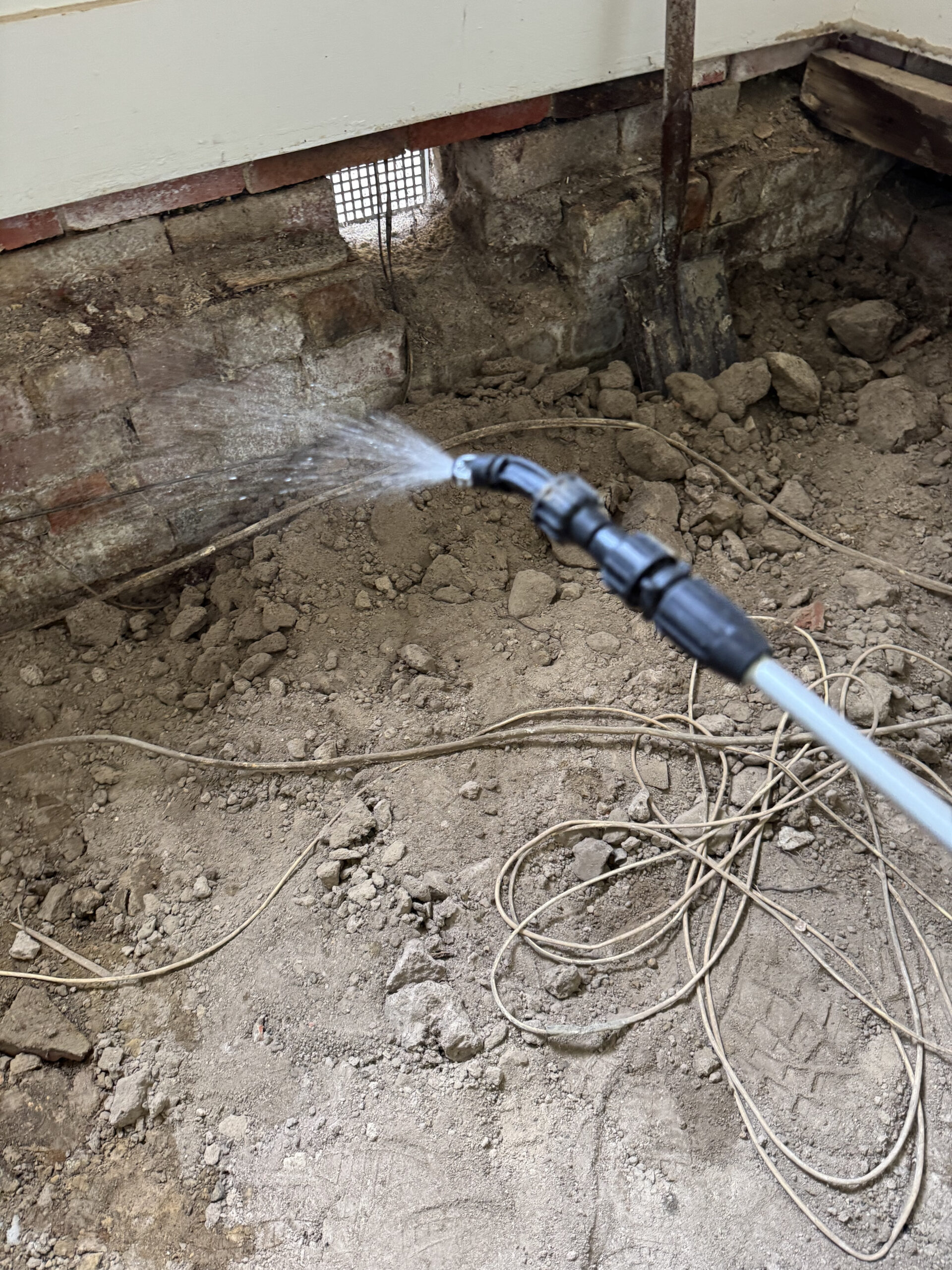
Mould grows where moisture is available. Keeping the subfloor drier helps reduce the conditions that support growth.
Ventilation alone does not remove existing mould. Affected surfaces may need cleaning and treatment. Some damaged materials may need to be removed.
ARS can combine ventilation work with crawl space mould removal and professional mould remediation.
Subfloor Air and Your Living Areas

Air can move between the subfloor and living areas through gaps around floors, pipes and service openings. The direction of airflow depends on pressure differences within the building.
If damp smells reach your rooms, we can investigate the subfloor as one possible source. We may also recommend an indoor air quality assessment.
Protecting Timber Floors and Supports
Timber can deteriorate when it stays wet for long periods. Joists, bearers and floorboards may develop decay or change shape.
Moisture control helps protect these materials. If timber is already damaged, ventilation will not restore its strength. Repairs may be needed.
Building Requirements and System Design
Ventilation needs vary with the building, site and floor layout. Our recommendations take these conditions into account.
Where building work requires formal approval or a compliance assessment, the applicable requirements should be confirmed with the relevant building professional.
You can find general building guidance through the National Construction Code.
Why Choose Absolute Restoration Service?
ARS combines restoration experience with moisture investigation and ventilation services. We assess the cause of dampness before recommending work.
- IICRC-certified restoration technicians
- Moisture readings and thermal imaging where appropriate
- Mechanical and natural ventilation options
- Mould remediation and water damage restoration
- Experience with homes, commercial and strata properties
- Reporting to support insurance documentation where required
- Service across metropolitan Melbourne
Preparing for a Subfloor Assessment
Tell us where you notice damp smells, mould or changes to the floor. Let us know about recent leaks, flooding or drainage repairs. Photos of the affected rooms or accessible vents can help explain the concern.
Tell us where the access opening is and whether any areas are difficult to reach. We assess only areas that can be accessed safely and explain any limits to the inspection.
What Should Your Ventilation Quote Cover?
Ask for the proposed work to be clearly set out, including:
- Fan numbers, locations and intended air paths
- Ducting, vents and controls included in the design
- Access needs and any electrical work
- Mould cleaning, drying or repairs included in the price
- Separate work needed to address leaks or drainage
A clear scope helps you understand how the proposed system addresses the findings and which other work may still be needed.
Frequently Asked Questions
What is subfloor ventilation?
It is airflow through the space beneath a suspended floor. Vents, fans or a combination of both help air move through this area.
Will ventilation stop mould?
It can help reduce moisture that supports mould growth. Existing mould still needs assessment and treatment. Leaks and drainage problems also need to be fixed.
Can it reduce musty smells?
It may help when the smell comes from a damp subfloor. Removing mould and correcting the moisture source may also be needed.
Do I need fans or more vents?
That depends on the layout and moisture conditions. Some homes benefit from clear, well-placed vents. Others need fans and ducting to move air through enclosed areas.
Does ventilation fix rising damp?
No. It may help manage moisture beneath the building, but rising damp needs its own assessment. Drainage repairs or damp-proofing work may also be required.
How much does subfloor ventilation cost?
The price depends on access, the area to be ventilated, fan numbers, ducting and controls. Mould removal or other repairs can add to the scope. We provide a quote based on the proposed work.
Do fans need to run all the time?
Not always. The operating schedule depends on the system and local conditions. Timers or humidity controls may be suitable.
Do you inspect before installation?
Yes. We assess accessible areas, moisture conditions and existing airflow before recommending a system.
Do you service all of Melbourne?
We provide subfloor ventilation services across metropolitan Melbourne. Contact us to discuss your property and location.
Related Services
- Mould removal
- Mould inspections
- Mould testing
- Rising damp and moisture control
- Water damage restoration
- Crawl space mould removal
- Indoor air quality assessments
- Energy recovery ventilation
Book a Subfloor Ventilation Assessment
Concerned about damp floors, musty smells or mould beneath your home? Start with an assessment to find out what is causing the problem.
Absolute Restoration Service provides subfloor ventilation Melbourne services, moisture investigations and mould remediation. We explain the findings and recommend practical work suited to your property.
Call 1300 114 842 or contact us online to arrange an assessment and discuss a quote.