
High apartment humidity often means moisture is building up faster than it can escape. Cold surfaces and limited fresh air can add to the problem. An airtight apartment can save energy. It still needs planned ventilation to remove water vapour, carbon dioxide, smells and other indoor pollutants.
Daily activities, building shade and limited airflow can all affect indoor conditions. Ground-floor units may face extra challenges. This guide explains what to look for and what to record. It helps owners, renters, managers and owners corporations plan the next steps. There may be more than one cause.
Why Apartment Humidity Can Remain Elevated
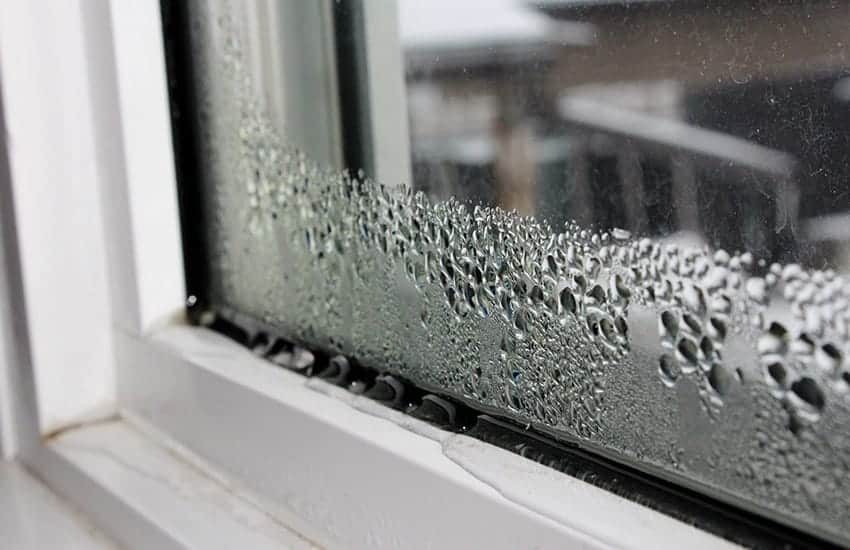
Apartments often have less indoor space than detached homes. Many have few windows or doors for fresh air. Humidity rises when moisture enters the air faster than it leaves. Water droplets may then form on cold surfaces. This is condensation.
The people living in the apartment are not always the cause. The layout, fans and direction the building faces can limit airflow. Window restrictions and shared building systems can also limit their options.

Airtight Living Needs Planned Ventilation
Sealing air gaps reduces draughts and helps control heat loss. But moisture and indoor pollutants still need a way out. An energy-efficient apartment needs planned ventilation.
The Australian Government’s YourHome guidance describes the risks of too little ventilation in airtight homes. These include condensation, mould and high carbon dioxide levels. Airtight homes need suitable fresh-air supply. They also need fans that remove moisture and pollutants at the source.
Bathroom fans, laundry fans and rangehoods ducted outdoors remove pollutants near their source. Some apartments also need ventilation throughout the home. Windows alone may not provide reliable fresh air all year.
How Much Moisture Do People Generate Indoors?
The often-quoted “50 litres per day” figure needs context. Australian NCC condensation guidance estimates about 10 litres of water vapour per person per day. This includes breathing and normal household tasks. Examples are cooking, boiling water, washing and bathing.
A five-person household may therefore approach 50 litres per day. It would be inaccurate to say that one person produces 50 litres through breathing alone. ABCB guidance separately notes that an adult contributes about 3 litres per day directly through breathing and perspiration.
How much moisture stays inside depends on daily activities and the number of occupants. Room size, fans, weather and ventilation also matter. Producing moisture is normal. The problem is moisture that keeps building up.
Orientation, Shading and Adjoining Buildings
South-facing apartments and homes shaded by nearby towers may receive less sun. Walls, corners and windows can stay colder. Condensation is more likely on these surfaces when indoor moisture is high.
Nearby buildings can block wind and reduce natural airflow. Deep balconies, set-back walls and enclosed courtyards can also limit air movement.
The direction an apartment faces cannot prove the cause alone. Insulation, windows, heating and indoor moisture all need review. So do thermal bridges: parts of a building that let heat pass through more easily.
Why Ground-Floor Apartments Can Behave Differently
Ground-floor apartments may have colder floors and lower walls. They may also receive more shade and less wind. People may keep windows shut for privacy, safety, traffic noise or outdoor pollution.
Leaks and dampness can also involve drains, garden beds, balconies, plumbing or waterproofing. Wall joints, subfloors and shared building areas may play a part. A stain near the floor needs checking. Do not assume it is condensation or rising damp.
Lack of Cross-Flow Ventilation
Cross-flow means air enters one part of a home and leaves through another. Many apartments have windows on only one side. Air may stay still in internal bedrooms or long corridors. Closed doors can limit airflow even with a living-room window open.
Natural airflow changes with wind, temperature and outdoor humidity. Noise, weather and security also affect when windows can be opened. Opening windows can help in suitable conditions. It may not provide reliable ventilation all year.
Air grilles, gaps under doors, exhaust fans and mechanical ventilation can help air move between rooms. Changes to shared property, outer walls, fire doors or building services need the right approvals. Use the appropriate professionals for this work.
Common Indoor Moisture Sources
- showering and bathing;
- cooking, boiling water and recirculating rangehoods;
- drying clothes indoors or using an unvented dryer;
- breathing and perspiration;
- aquariums, indoor plants and water features;
- unflued gas heaters;
- plumbing, appliance or waterproofing leaks; and
- wet materials following water damage.
It is generally better to remove moisture at its source than after it spreads through the apartment.
Humidity and Indoor Air Quality Are Related—but Not Identical
Relative humidity compares the moisture in air with the most it can hold at that temperature. Air quality covers more than moisture. It can also involve carbon dioxide, dust, smoke, gases, smells and biological particles.
A humidity reading cannot explain every air-quality issue. Carbon dioxide readings can help assess ventilation. They must be considered alongside occupancy and outdoor conditions. They do not measure every pollutant.
Building measurements cannot diagnose illness or decide whether a person should live in the apartment. Discuss health concerns with a qualified healthcare professional.
Signs That Humidity or Ventilation Needs Investigation
- condensation repeatedly forms on glazing or aluminium frames;
- mould returns in corners, wardrobes or behind furniture;
- musty odours persist after cleaning;
- bedrooms feel stuffy after overnight occupancy;
- bathroom moisture remains long after showering;
- paint, skirting or plasterboard becomes damaged;
- humidity remains elevated across different weather conditions; or
- conditions vary significantly between rooms.
Record where and when the problem occurs. Take photos and keep temperature and humidity logs. Note the number of occupants, open windows, fan use and outdoor weather. These records help show whether the problem is brief or ongoing.
A Practical Apartment Assessment Process
- Review the history: Record occupancy, moisture-generating activities, seasonal patterns, water events and previous repairs.
- Inspect accessible areas: Check glazing, external walls, wardrobes, wet areas, flooring and ventilation openings.
- Test exhaust performance: Confirm fans operate and discharge appropriately; identify replacement-air paths.
- Log conditions: Measure temperature and relative humidity over representative periods rather than relying on one reading.
- Assess moisture evidence: Use material readings and thermal patterns where damp building materials are suspected.
- Separate responsibilities: Identify items within the apartment, common-property services and source repairs requiring trades or owners-corporation action.
- Select improvements: Match ventilation, source control, insulation, heating or repair recommendations to the documented cause.
Thermal imaging cannot see through walls, measure moisture directly or identify mould. An inspection without opening materials cannot check every hidden space.
Practical Measures for Owners and Occupants
- operate bathroom and laundry exhaust during moisture-producing activities and for an appropriate period afterwards;
- use an externally ducted rangehood where provided;
- keep fan grilles and replacement-air paths clear;
- dry clothes outdoors or with a suitably ducted or condensing dryer;
- leave space behind furniture on cold external walls;
- use heating and dehumidification appropriately while the cause is investigated;
- report leaks, failed exhaust systems and common-property defects promptly; and
- avoid painting over recurring growth before the moisture source and substrate are assessed.
A dehumidifier can help control moisture. It cannot fix leaks, poor insulation or a lack of fresh air.
Ventilation Options for Airtight Apartments
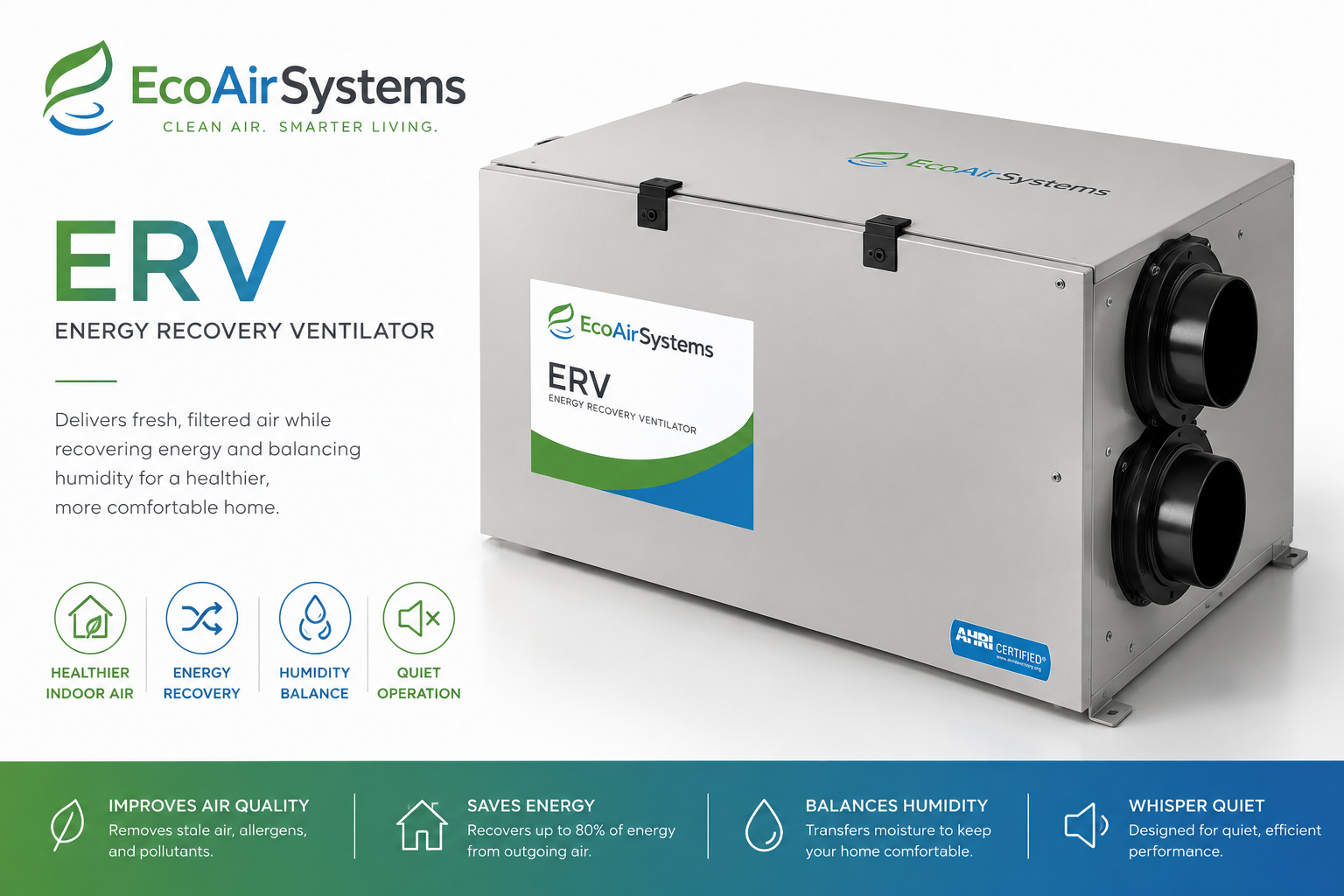
Some apartments need better exhaust fans and a clear path for replacement air. Others need a designed mechanical ventilation system. Energy recovery ventilation, or ERV, swaps stale indoor air for filtered outdoor air. It also transfers some heat between the air streams.
An ERV will not solve every problem. Its design must suit the apartment size, occupancy and climate. Duct routes, noise, filters and maintenance also matter. The design must allow for fire separation, approvals for outside walls and existing exhaust systems.
For system information, visit energy recovery ventilation. For measurement and sampling questions, see indoor air quality testing Melbourne.
Apartment Humidity and IAQ Assessment in Melbourne
Absolute Restoration Service provides moisture investigation for Melbourne apartments. We also offer building-focused indoor-air assessments, mould services and ventilation guidance.
Call 1300 114 842 or contact ARS about ongoing condensation, high humidity or recurring mould. We can also discuss limited apartment ventilation.
Technical References
Frequently Asked Questions
Why do apartments develop high indoor humidity?
Humidity rises when daily activities add moisture faster than the apartment can remove it.
How much moisture do occupants add each day?
NCC guidance estimates about 10 litres per person per day when breathing and household activities are combined. Five occupants may approach 50 litres.
Can an apartment be too airtight?
An airtight apartment needs planned ventilation. Without enough air exchange, moisture and indoor pollutants can build up.
Why can ground-floor apartments have more condensation?
Ground-floor units may have colder surfaces, more shade and fewer chances to open windows. Drains or faults in the building’s outer walls and floors may also affect moisture.
Will opening windows solve high humidity?
Opening windows can help in suitable conditions. But nearby buildings, weather, security and the apartment layout can limit airflow. Windows on only one side may provide little cross-flow.
When should apartment humidity be assessed?
Arrange an assessment if condensation keeps forming, mould returns or materials show damage. The cause may involve poor ventilation, leaks or shared property.